Roshan Foundation supports vulnerable families through education, healthcare, disaster relief, and community care.

Donate Now

Women’s Philanthropy in Islam

Women & Charity

Women’s Philanthropy in Islam

Islam greatly values the charitable spirit of women and acknowledges their active role in supporting society. Throughout Islamic history, women have been at the forefront of philanthropy, using their wealth, time, and efforts to help those in need.

From the wives of the Prophet Muhammad ﷺ to countless women across generations, their generosity has played a vital role in strengthening communities. Islam encourages women to give in the way of Allah, reminding believers that sincere charity, regardless of gender, brings immense reward and blessings.

Women’s Philanthropy

Empowering Change with Women Leading Projects

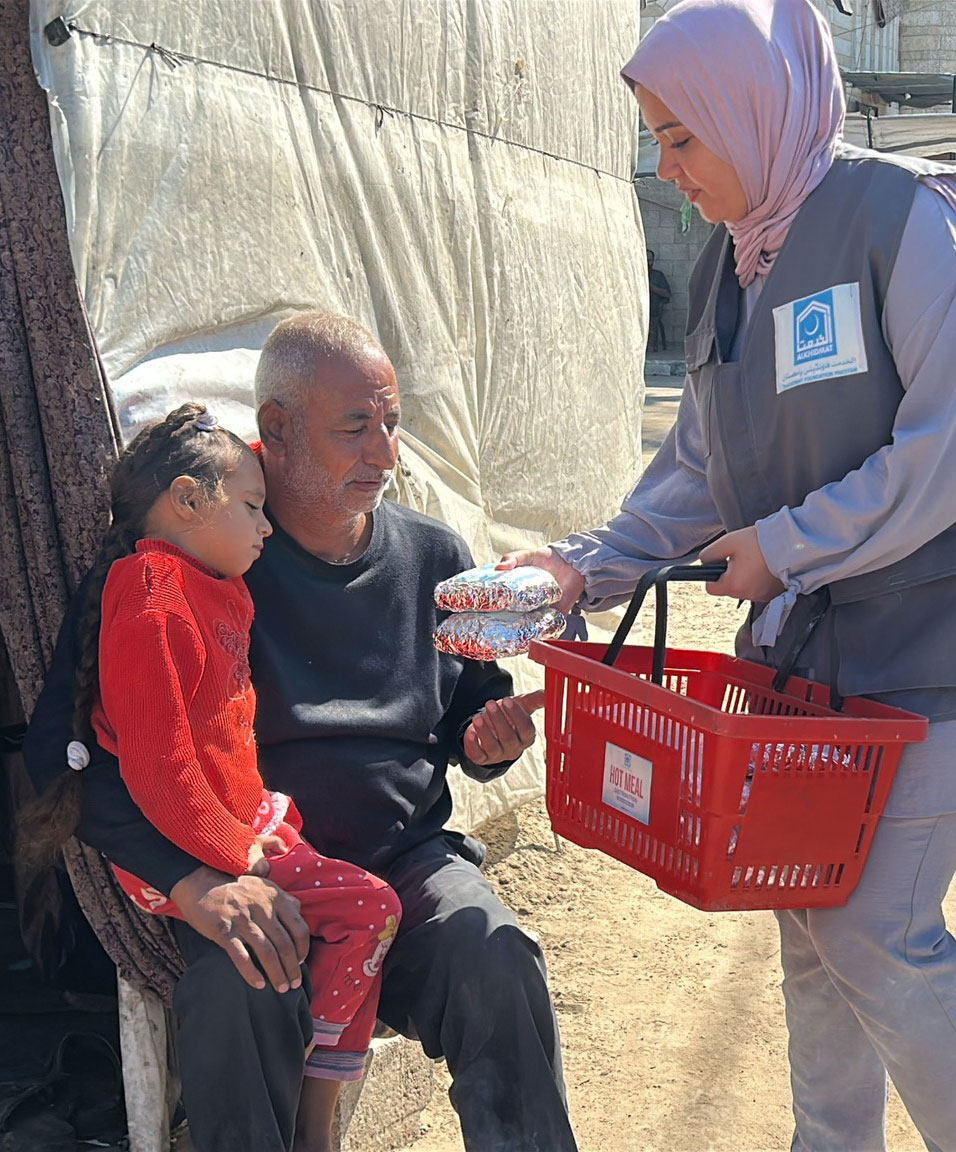
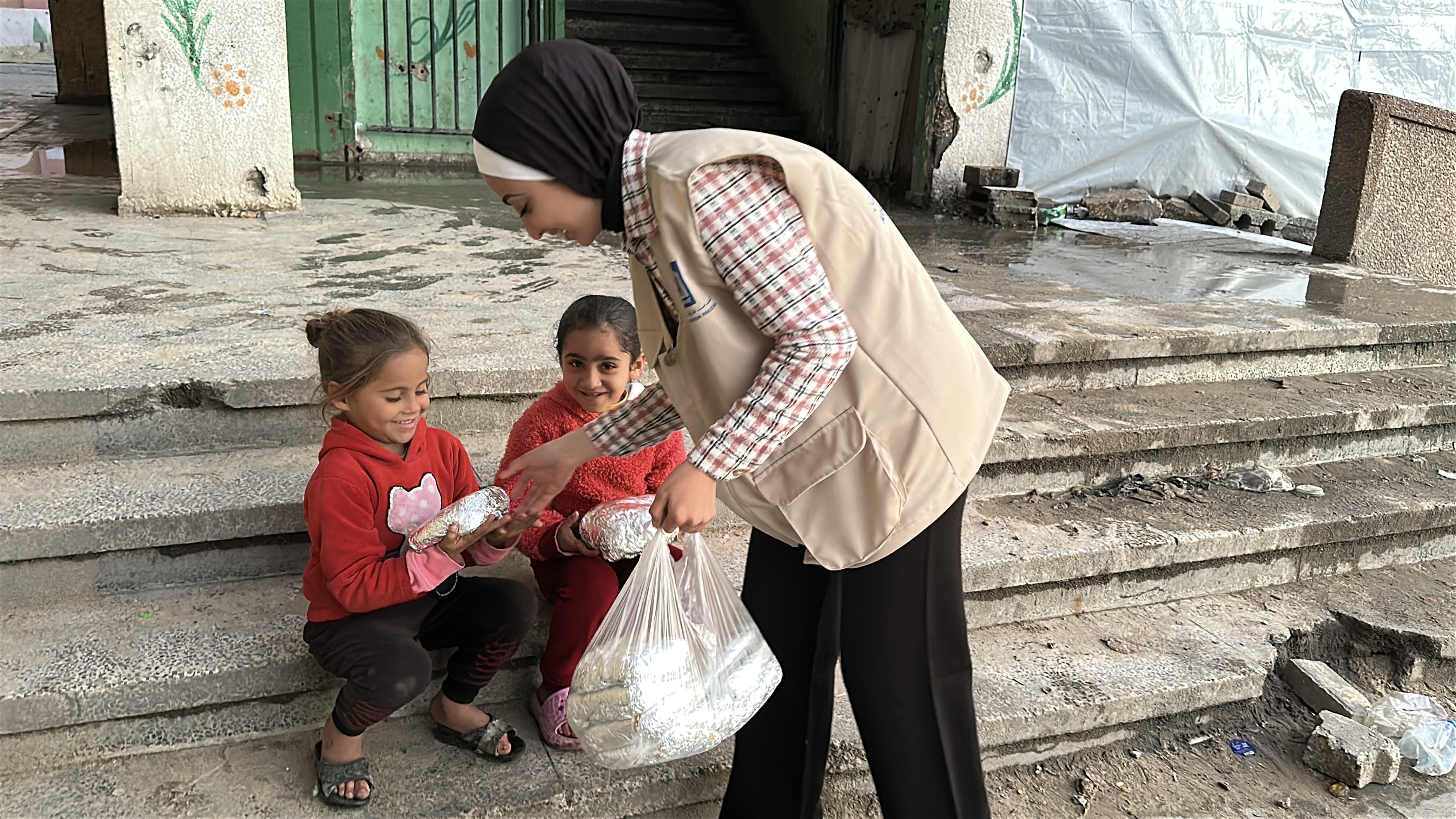
At Roshan Foundation, women have always been at the forefront of our humanitarian efforts. From providing hot meals and medical care during disasters to packing relief items and raising funds, their dedication has been remarkable. Women are not just participants but leaders, driving meaningful change in communities.

Bright Futures for Orphans

Bright Futures for Orphans

Give orphaned children the care, education, and hope they deserve.

Donate Now

Daily Hot Meals

Daily Hot Meals

Serve daily hot meals to families struggling with hunger.

Donate Now
Educate a Medical Student

Educate a Medical Student

Sponsor a medical student to heal and rebuild a brighter future.

Donate Now

Free IT Skills Training for Housewives & Girls

Housewives and girls now have the chance to unlock new opportunities with our free IT skills training program. From Sales & Lead Generation, Amazon FBA Virtual Assistant, and Graphic Designing to many more exciting fields, this program helps you learn in-demand digital skills — start freelancing, support your family, and shape a brighter future.

Graphic Designing

Graphic Designing

Mastering Illustrator, Photoshop & Canva

Amazon FBA Virtual Assistant

Amazon FBA Virtual Assistant

Mastering Wholesale & Online Arbitrage

Sales & Leads Generation

Sales & Leads Generation

Become the master in sales & leads generation

Equality in Reward for Charity

The Qur’an makes it clear that the reward for charity is the same for both men and women when given sincerely:

“Indeed, the Muslim men and Muslim women, the believing men and believing women… and the men who give charity and the women who give charity… Allah has prepared for them forgiveness and a great reward.” Surah Al-Ahzab (33:35)

This verse shows the equal spiritual reward for women who give charity and participate in good deeds. Many women during the Prophet Muhammad’s ﷺ time were known for their generosity — from Khadijah bint Khuwaylid (RA), who supported Islam with her wealth, to Zaynab bint Jahsh (RA), known as “the mother of the poor.”

Why Reflect on Women’s Philanthropy?

Women have always held a vital role in uplifting society through acts of charity and service. Their compassion, dedication, and generosity are powerful reflections of faith, creating lasting impact in both this world and the Hereafter.

Honored by Allah

  • “Indeed, the Muslim men and Muslim women… and the women who give charity…” — Qur’an 33:35

Inspired by the Prophet’s Family

  • Khadijah (RA): Gave her entire wealth in support of Islam.
  • Zaynab bint Jahsh (RA): Known as “the mother of the poor.”
  • Aisha (RA): Often gave charity quietly and consistently.

Spiritual Growth

  • Charity increases faith and removes pride.
  • It draws one closer to Allah and purifies the soul.

Equal Reward

  • “Whoever does righteousness, whether male or female, while being a believer — We will grant them a good life.” — Qur’an 16:97

Charity as a Legacy

  • “When a person dies, their deeds end except for three: ongoing charity, beneficial knowledge, or a righteous child who prays for them.” — Hadith (Sahih Muslim)

How Women Lead in Sadaqah Jāriyah

  • Supporting Orphans and Widows: Strengthens families and protects vulnerable lives.
  • Funding Water Projects and Healthcare: Provides long-term relief and wellness.
  • Investing in Education and Islamic Learning: Empowers future generations of believers.
  • Volunteering and Community Organizing: Builds unity and sustainable social change.

Why Choose Roshan Foundation?

  • Empowering Women: Involves women in meaningful roles in charity and leadership.
  • Transparent Impact: Regular updates and reports on how your donation is used.
  • Faith-Based Approach: Projects follow Islamic values and ethical standards.
  • Sustainable Development: Focus on long-term solutions in education, health, and welfare.
  • Nationwide Reach: Serving communities across Pakistan with compassion.

Be a Part of Their Legacy

  • Support women-driven charity.
  • Multiply your rewards in this life and the Hereafter.
  • Transform communities with compassion and lasting impact.
Donate Now

Frequently Asked Questions

No, Sadaqah is voluntary and highly encouraged for both men and women. However, Zakat, the obligatory form of charity, is required from anyone who meets the minimum wealth threshold (Nisab), regardless of gender.

  • Building water wells or pumps
  • Supporting orphanages or schools
  • Funding Islamic education or Qur’an distribution
  • Donating to health clinics or hospitals
  • Planting trees or environmental protection projects

  • Increased barakah (blessing) in wealth
  • Forgiveness of sins
  • Protection from hardships
  • Rewards in both this world and the Hereafter
  • Ongoing rewards if the charity is continuous

Yes. The Qur’an clearly states that men and women who do righteous deeds are equal in reward if they are sincere in faith and action.
“Allah has prepared for them forgiveness and a great reward.”
— Qur’an 33:35

Yes, she can donate on behalf of others, and both she and the deceased can earn rewards for the act, especially if it is a form of Sadaqah Jariyah.

Yes, Islam grants women full ownership of their wealth. They are free to give charity from their earnings, savings, or assets without needing permission from a husband, father, or guardian.

Yes, many women around the Prophet ﷺ were generous and charitable. Khadijah (RA) gave her entire wealth to support Islam, while Zaynab bint Jahsh (RA) was known for helping the poor regularly.

Absolutely. Women can serve their communities by volunteering, organizing events, distributing aid, or supporting campaigns that benefit the needy.

  • By offering women-led projects and programs
  • Empowering women as volunteers, donors, and organizers
  • Addressing issues affecting women and children directly
  • Ensuring their contributions are recognized and impactful

  • Set aside a small amount weekly or monthly
  • Choose a cause close to the heart
  • Give quietly and sincerely
  • Encourage friends and family to join
  • Support sustainable, ongoing causes
Donate