Roshan Foundation supports vulnerable families through education, healthcare, disaster relief, and community care.
Donate Now
Roshan Foundation supports vulnerable families through education, healthcare, disaster relief, and community care.
Donate NowThe Month of Sacrifices
Mark these moments for worship, fasting, and charity.
Muharram marks the commencement of the Islamic lunar year and is among the four months declared sacred in the Qur’an. Its name, meaning “forbidden,” highlights the prohibition of conflict during this time. As one of Islam’s holiest months, it calls believers to deepen spiritual devotion, embrace peace, and reflect on faith with greater sincerity.
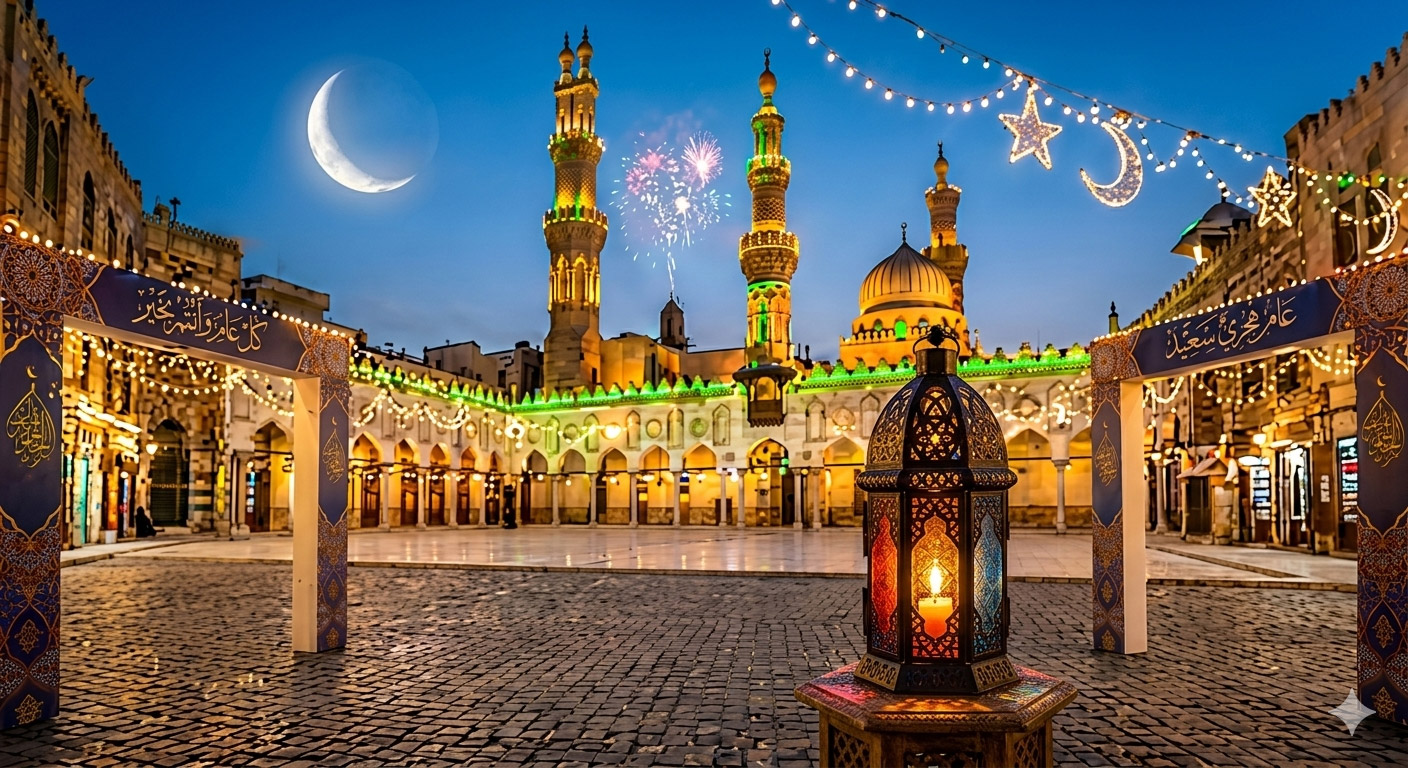
Muharram is the first month of the Islamic Hijri calendar and follows the lunar system. Each new month begins with the sighting of the crescent moon. In 2026, Muharram is expected to begin around Tuesday, 16th June 2026, although the exact date may vary depending on local moon sightings. Good deeds earn multiplied rewards in this sacred month.
1st Muharram — Welcoming the New Islamic Year: a chance to reflect on the sacrifices and triumphs of Prophet Muhammad ﷺ and his companions.
10th Muharram — Ashura: Marks the martyrdom of Imam Hussain (RA) at Karbala and the deliverance of Prophet Musa (AS) from Pharaoh. Fasting on Ashura is highly recommended; many also fast the 9th (or 11th) with the 10th.
Muharram is one of the four sacred months chosen by Allah (SWT):
Muharram is not just the first chapter of the Islamic calendar — it is a sacred month, directly honoured by Allah (SWT). Known as “the month of Allah,” it holds a status unmatched by any other month except Ramadan.
“The best fasting after Ramadan is in the month of Allah, Al-Muharram.” — Ibn Majah
Allah states in the Qur’an: “Indeed, the number of months with Allah is twelve… of which four are sacred… so do not wrong yourselves during them…” (Surah At-Tawbah, 9:36)
It marks the Hijrah — the migration of Prophet Muhammad ﷺ to Madinah — and reminds us of deep spiritual lessons of sacrifice and devotion.
Muharram is ideal for devotion and generosity. Believers perform voluntary prayers, read the Qur’an, fast, and give Sadaqah Jariyah. Visit the mosque, reflect on the year past, and set intentions for the year ahead. Families may gather for prayer and remembrance.
It marks the Hijrah (622 CE) and carries the memory of the martyrdom of Imam Hussain (RA) and his companions at Karbala. The Prophet ﷺ said the year consists of twelve months, of which four are sacred: Dhul-Qi’dah, Dhul-Hijjah, Muharram, and Rajab. (Bukhari)