Roshan Foundation supports vulnerable families through education, healthcare, disaster relief, and community care.
Donate Now
Roshan Foundation supports vulnerable families through education, healthcare, disaster relief, and community care.
Donate NowA permanent endowment that keeps giving
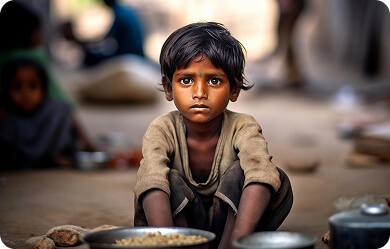
Waqf is a permanent ongoing charitable endowment. From the building of a mosque or school, to providing water throughout Islamic history, Waqf has supported poor communities. In Islam, Waqf is the permanent dedication of a specific property or asset for a purpose that benefits the community.
Once a donation is made to the Waqf, the donor no longer owns the property; it is permanently dedicated to a charitable cause. The Waqf endowment becomes a community asset. The original asset can no longer be sold or inherited.
Through Roshan Foundation, your Waqf contribution can fund lasting projects — clean water, education, healthcare, and orphan care — so reward continues as people keep benefiting.
The endowment may be of cash, land, or any other assets that follow these conditions:

The concept of Waqf was introduced when the Prophet Muhammad ﷺ urged the community to donate towards the Romah Well. According to Hadith, the Prophet ﷺ asked who would buy the well of Romah in exchange for a better well in Paradise. Uthman ibn Affan (RA) bought the well and dedicated it as a Waqf of public water for the people of Madinah without charge, regardless of status.
Another example is the land of Khaibar acquired by Umar ibn al-Khattab (RA). The Prophet ﷺ advised him to keep the source (title) and dedicate its benefit to the poor for the sake of Allah. Umar set the property aside so it could not be bought, sold, given away, or inherited. Its farming yield became a Waqf assisting the poor, travellers, and wayfarers.
Today, through Roshan Foundation, the practice of Waqf continues — offering aid and support to those who need it. Just like Umar and Uthman (RA), your donation can create lasting impact for communities across Pakistan.