Roshan Foundation supports vulnerable families through education, healthcare, disaster relief, and community care.
Donate Now
Roshan Foundation supports vulnerable families through education, healthcare, disaster relief, and community care.
Donate NowUnderstand Riba — and purify interest money through charity
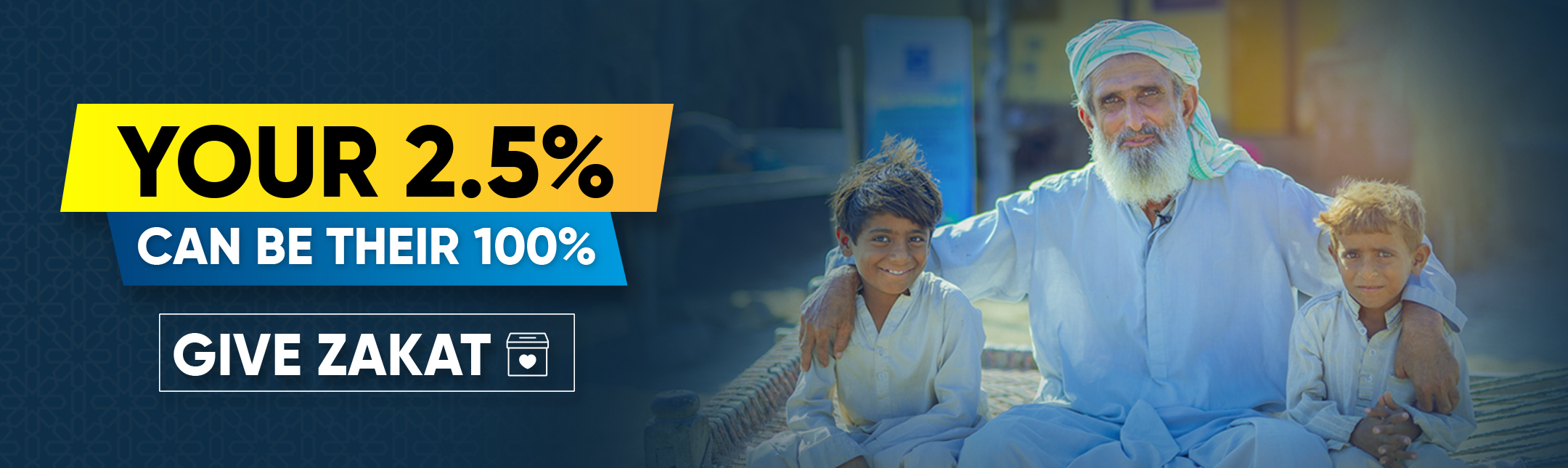
Interest money should be given to the poor without intending personal reward. Roshan Foundation channels it to eligible welfare needs.
Riba is an Arabic word meaning “excess” or “increase,” primarily referring to interest charged on loans or an additional amount added to a debt payment without a labour service provided or risk taken.
In modern finance, interest is a fixed or variable amount paid on a loan of money — for example on a bank loan or credit card — without shared economic activity or shared risk. Interest is income earned solely through owning wealth, not by taking part in labour or risk.
Interest (Riba) is therefore considered to lead to unfairness and exploitation, concentrating wealth and power among those who already have it.
In Islam, engaging in interest-based transactions is a major sin.
“O you who have believed, fear Allah and give up what remains of interest, if you should be believers.” — Qur’an 2:278
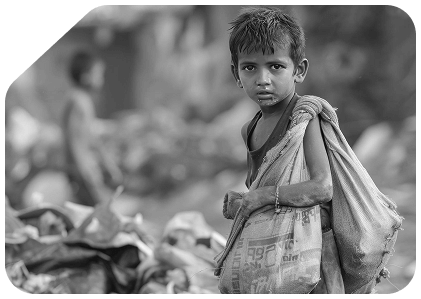
High levels of interest create social and financial hierarchy, exploiting people on low incomes and trapping them in debt. Debt-based interest payments can leave families unable to afford food, healthcare, and other basics — while those with capital grow richer without shared risk.
“O believers! Fear Allah, and give up outstanding interest if you are true believers. If you do not, then beware of a war with Allah and His Messenger. But if you repent, you may retain your principal — neither inflicting nor suffering harm.” — Qur’an 2:278–279
Charging interest is not only a sin; it also fosters inequality. It allows the wealthy a guaranteed, risk-free return on money they already possess, while the poor who are forced into debt bear the risk, paying interest upon interest. Penalties for late payment disproportionately punish the vulnerable and deepen the cycle of debt.
To stay free from interest, be careful in how you earn, borrow, and invest:
If interest has already entered your account, separate it and dispose of it to the poor through trusted channels such as Roshan Foundation — without intending reward for yourself.